
 Escrito por
Changes in market conditions, legal complications, or environmental factors can also affect the project’s profitability and completion. When a large number of startups withdrew their funds from the bank, fearing it was unstable, SVB faced a severe shortage of cash, which led to its collapse. This situation reminded us of how crucial it is for businesses to spread their investments and manage their cash flow wisely. Review key financial documents, including income statements, balance sheets, and cash flow statements. Assess financial health using metrics like liquidity ratios, profitability, and debt-to-equity ratios. Any financial risk occurring due to legal constraints, like lawsuits, can be classified as legal risk.
- It gives insights into the market on the rise vs the market in decline.
- You may also incur credit risk by extending credit to customers, due to the possibility of them defaulting on payment.
- Insurance means the company can recover without losing too much money.
- Implementing a sound financial risk management strategy not only protects companies from unexpected losses but also enables smarter decision-making and long-term value creation.
- These strategies may involve using financial instruments such as derivatives, insurance policies, or diversification of investments.
Internal Decisions & Operational Failures
From there, the analyst simply has to discount the cash flows at the time value of money in order to get the net present value (NPV) of the investment. Warren Buffett is famous for using this approach to valuing companies. In finance, risk is the probability that actual results will differ from expected results. In the Capital Asset Pricing Model (CAPM), risk is defined as the volatility of returns. The concept of “risk and return” is that riskier assets should have higher expected returns to compensate investors for the higher volatility and increased risk.
Tools to Monitor Financial Risk
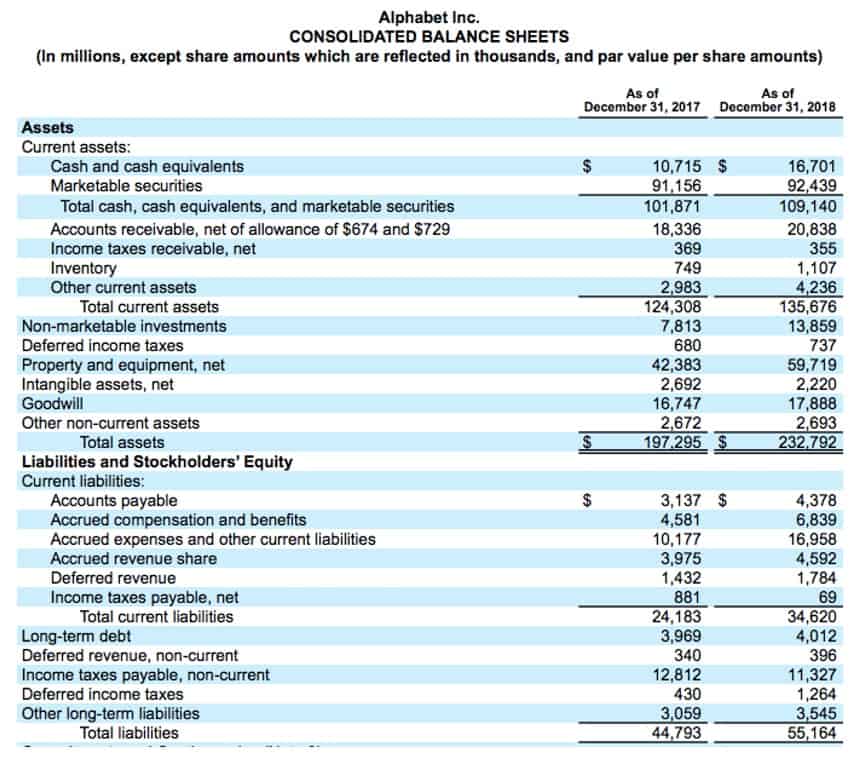
Individuals, businesses, and governments can use a variety of tools to assess how much financial risk they are willing to take on. Fundamental analysis, Technical Analysis, and quantitative analysis are the most common techniques used by investment experts to assess long-term investment risks or the stock market as a whole. Debt is a common way to express financial risk in the Investing Industry. Cash flow includes expenses and payments, forms the lifeblood of a business. Certain financial risks have the potential to cause unexpected losses, making it define financial risk difficult or impossible to Handle a company’s financial commitments.
Types of Financial Risk:
As a business owner, I’ve seen firsthand the importance of taking on this responsibility, especially when it comes to making tough financial decisions. Credit risk is the chance that a business may lose money because of a customer not making payments according to the terms of a contract. Credit risk can be mitigated through insurance and collateral, but some parties may still default. Credit checks are a common means of evaluating a customer or borrower’s eligibility for deferred payments. Financial risk is often the most obvious type of risk, and it’s typically quantifiable.

Strategies to Mitigate Financial Risk
- This technique is often used when the potential loss is significant, and the organization cannot afford to take the risk.
- For example, if a counterparty in a derivatives trade goes into default, you could suffer losses.
- This could include diversifying investments, hedging against market risk, and ensuring that they have access to capital.
- Understanding these risks helps you drive more carefully, maintain your car, and buy insurance (risk management).
- Fluctuations in market conditions can occur if there are changes in the overall market, which can lead to losses for investors.
This often happens in the trading of currencies or securities, where ownership transfers at a different time from the payment. It’s the risk that your shares will lose value if the company doesn’t do well. Let’s explore the details of what is financial risk and how to navigate its ever-present presence in our financial lives. Rising prices can lead to increased costs for goods and services, while decreasing purchasing power can lead to decreased returns on investments. Inflation risk is the https://aisisspa.com/2021/03/09/best-a-r-factoring-companies/ risk of losses due to rising prices or decreasing purchasing power.
Financial Risk and Business Strategy

By taking these steps, you can help to protect your business from financial risk. It’s important to remember that financial risk is an unavoidable part of doing business, but by taking the right steps, you can minimize its impact. Market volatility is a significant driver of financial risk, with higher volatility leading to more substantial uncertainty and potential for loss. These factors often interact, creating a ripple effect that can amplify financial risk. For example, an economic downturn can lead to higher unemployment, reduced consumer spending, and increased default rates, further destabilizing the Accounting Periods and Methods financial landscape. Internal issues, such as management changes or product failures, can lead to unexpected financial losses.
If you enjoy handling projects and evaluating risks, then you can become a project leader in this digital age with our PMP® Certification Training aligned with PMI-PMP® and IASSC-Lean Six Sigma. Attend live online interactive classes, masterclasses and gain access to cheat sheet, study plans and exam application support from experts. For instance, the US government issues debts that are called treasury bonds.
Tools to assess financial risk
This involves determining how likely the risk is of happening, what would happen if it did happen, and how big a impact it would have on the company’s finances. Financial risk is the term used to define the potential risk involved in doing business or investment. Governments can be unable to regulate monetary policy, resulting in bond defaults or other financial problems.
